Article
Objective measurement in the PRS: A new era for HHSRS enforcement and Decent Homes compliance
The regulatory landscape for the UK Private Rented Sector (PRS) has moved incredibly fast over the past year. With the Renters’ Rights Act 2025 fully active, the expansion of the Decent Homes Standard to the PRS, and the looming statutory deadlines of Awaab’s Law currently out for consultation, private landlords and letting agents are staring down the barrel of severe financial penalties.

At the center of this shift is the enforcement of the Housing Health and Safety Rating System (HHSRS). Local Authority enforcement teams are utilising enhanced investigatory powers to crack down on Category 1 and Category 2 hazards - most notably Hazard 1 (Damp and Mould Growth) and Hazard 2 (Excess Cold).
However, standard Energy Performance Certificates (EPCs) and subjective visual assessments are no longer sufficient to defend against these enforcement actions. A fundamental shift is underway in UK housing enforcement: the transition from subjective visual inspections to legally defensible, empirical data.
The power of objective building physics measurement
Whether you are a Local Authority Environmental Health Officer (EHO) serving an Improvement Notice, or a private landlord defending your portfolio, the need for objective evidence has never been greater. This is where objective building physics measurement, using tools to quantify thermal performance, airtightness, and ventilation, changes the game.
1. For local authority enforcement teams
Improvement Notices and civil penalties are routinely appealed at the First-tier Tribunal (Property Chamber). Subjective assessments are vulnerable to legal challenge.
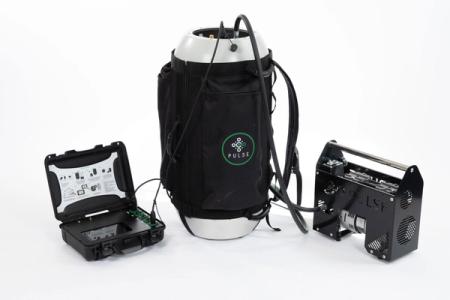
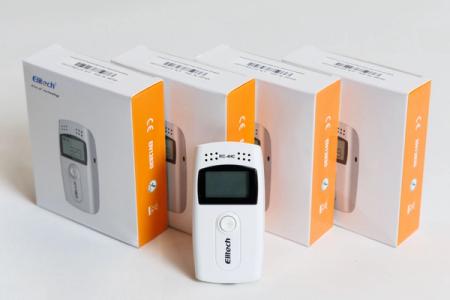
By deploying Tribunal-Grade Diagnostic Kits (incorporating portable, calibrated measurement tools like loggers, flow hoods, in-situ U-value sensors, and rapid airtightness testing), enforcement teams can gather objective proof of statutory failure. This data moves cases away from "opinion" and into irrefutable fact, streamlining the enforcement process and protecting council resources.
2. For private landlords & letting agents
Even before the statutory timelines of Awaab's Law are finalised, private landlords are already legally obligated to meet strict requirements under the newly streamlined HHSRS framework and the Decent Homes Standard (DHS). Specifically, DHS Criterion D (providing a reasonable degree of thermal comfort) and Criterion E (being free of damp and mould) mean that a property's failure to maintain a safe, heatable environment is an immediate compliance breach today. Landlords who rely on outdated desktop models or brief visual inspections to prove a property is safe are already exposing themselves to Improvement Notices and severe fines from local enforcement teams.
Furthermore, once the Awaab's Law consultation concludes and timescales become law (expected mid-to-late 2027), private landlords will legally have to investigate damp and cold reports within days. They cannot wait weeks for a surveyor to visit and simply inspect for the root cause.
Diagnostic equipment provides immediate, objective proof of whether a mould issue is caused by a failing building fabric (e.g., poor thermal performance) or inadequate ventilation. This allows landlords to:
- Diagnose true root causes: Separate fabric failure from heating and ventilation deficits to stop repeat call-outs and reactive repairs.
- Avoid over-specifying retrofit works: Prevent unnecessary, highly disruptive insulation works and oversized heating systems by measuring true heat loss.
- Demonstrate Defensible Compliance: Gather objective evidence to identify if conditions comply with HHSRS requirements, mitigating the risk of enforcement fines and avoiding ongoing legal disputes.
The role of independent professional advisors
This new regulatory environment also creates a massive opportunity for independent professional advisors, retrofit assessors, and surveyors. By equipping themselves with diagnostic tools (such as SmartHTC SMETER based heat loss measurement, Pulse airtightness testing, ventilation flow rate measurement, and Heat3D U-value measurements), these professionals can act as a crucial, neutral go-between.
They can offer a First-Response Triage service, providing rapid, impartial data to landlords, tenants, and local authorities. This objective data helps resolve disputes amicably, informs targeted and cost-effective retrofit interventions, and ensures works actually close the performance gap and resolve the underlying HHSRS hazards.
The future is measurement-led
The days of guessing the root cause of damp, mould, and excess cold are over. The financial and legal risks are simply too high. At Build Test Solutions, we believe that the only way to effectively navigate the new Decent Homes and HHSRS standards in the PRS is through objective, in-situ measurement.
By measuring real-world building performance, we can unlock data-driven asset management, ensure defensible compliance, and deliver safer, healthier, and more energy-efficient homes for tenants.