Article
Retrofit budgets under pressure. Can we afford to keep guessing?
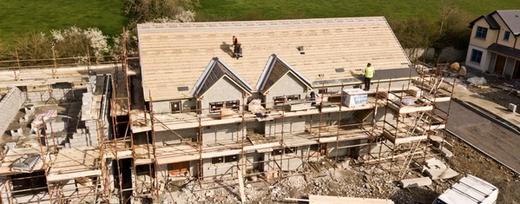
The Autumn Budget 2026 confirmed a £1bn reduction in capital grant funding for the Warm Homes Plan, raising fresh concerns about the pace of energy efficiency improvements across the UK's housing stock. While much of the funding for low-income households and social housing remains protected, the reduction reinforces a challenge already facing housing providers, retrofit professionals and building owners: how do we deliver better-performing, healthy buildings with increasingly stretched budgets?

The answer isn't necessarily to do less. It's to make better-informed decisions about what we do.
The cost of getting it wrong
Every building is different. Yet many decisions about energy efficiency improvements still rely heavily on assumptions, calculated performance and standardised models.
These approaches have their place, but they don't always tell us how an individual building actually performs.
What happens when…
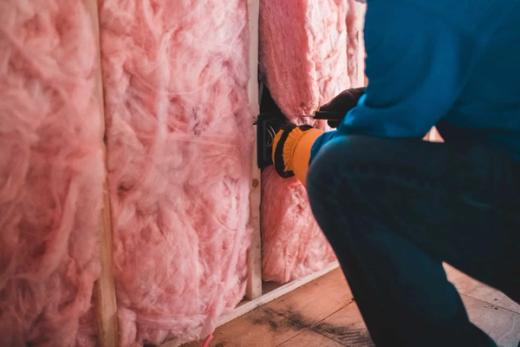
- insulation is installed where it isn't needed?
- a heating system is oversized?
- improvements are completed without checking whether they've delivered the expected results?
The consequences can be significant: unnecessary expenditure, wasted resources, additional remedial work and buildings that continue to underperform.
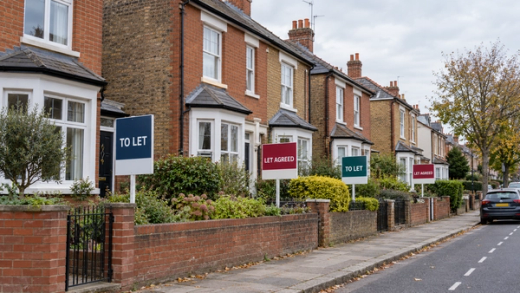
For housing providers managing hundreds or thousands of properties, even relatively small inefficiencies can add up.
Measure first, spend smarter.
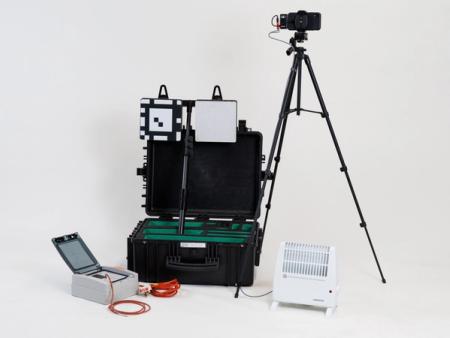
Building performance measurement offers a practical way to reduce uncertainty and target investment more effectively.
By measuring actual heat loss, airtightness and thermal performance, building professionals can better understand where problems exist, which improvements are likely to make the biggest difference and whether completed work has achieved its objectives.
This creates opportunities to:
- Avoid unnecessary spending by identifying which improvements are genuinely needed.
- Target retrofit budgets towards properties and building elements where intervention will have the greatest impact.
- Improve heating system design using measured heat loss rather than relying solely on assumptions.
- Reduce costly callbacks by identifying performance issues and construction defects earlier.
- Demonstrate value for money by verifying performance before and after improvements.
Importantly, measurement isn't just about finding problems. It's about providing the evidence needed to make confident decisions.
From compliance to confidence
With increasing expectations around energy efficiency, housing quality and accountability, the ability to demonstrate actual building performance is becoming commercially valuable.
For housing providers, it can mean more informed investment decisions and better outcomes for residents.
For retrofit contractors, it offers an opportunity to demonstrate the effectiveness of their work.
For surveyors, assessors and testing professionals, it creates opportunities to deliver additional value through evidence-based services.
And for building owners, it means greater confidence that money is being spent where it matters.
Making every improvement count
The funding landscape may be changing, but the need for comfortable, affordable and energy-efficient buildings hasn't gone away.
If anything, tighter budgets make it even more important to understand what we're working with before committing to costly improvements.
At Build Test Solutions, we believe building performance measurement should be a practical part of everyday decision-making, not simply an additional exercise at the end of a project.
Because when every pound matters, the most expensive decision could be the one made without the right evidence.
Want to understand how building performance measurement could help you make better decisions, reduce unnecessary costs and demonstrate results?
Explore how Build Test Solutions can help you move from assumptions to measured evidence.