Article
Billions remain in the Autumn Budget for home upgrades, so let's make every pound count.
The latest government budget brings fresh opportunities for retrofit, clean heating and better-performing homes. With substantial investment protected and new finance available, the focus now turns to making sure improvements deliver real results.

The 2026 Autumn Budget has brought changes to the UK's home energy investment plans. While the government has announced a £1 billion reduction in Warm Homes Plan capital grants, significant funding remains committed to improving homes, tackling fuel poverty and accelerating the transition to cleaner heating.
Crucially, the majority of funding for low-income households and social housing has been protected, the Boiler Upgrade Scheme (BUS) continues, and the new Warm Homes Loan Scheme has launched,opening up additional opportunities for homeowners.
For the building performance sector, the message is positive: there is still substantial investment available, and a growing opportunity to ensure that money delivers lasting improvements.
More ways to fund better homes
The launch of the Warm Homes Loan Scheme is particularly encouraging. By offering government-backed low- and zero-interest loans for technologies including heat pumps, solar panels and battery storage, the scheme makes home improvements more accessible to households that may not qualify for traditional grant funding.
Meanwhile, the Boiler Upgrade Scheme remains a key part of the government's clean heating strategy, with £400 million of funding maintained for 2027-28.
And for housing providers and local authorities, the protection of the majority of Warm Homes Plan funding for low-income households and social housing provides continued opportunities to improve existing managed housing stock.
But whether improvements are funded through grants, loans or private investment, the underlying challenge remains the same: How do we make sure the money is spent on the right improvements?
Energy bills still matter.
Government funding may help households afford improvements, but the motivation for making them hasn't changed. People want homes that are warmer in winter, comfortable in summer and cheaper to run. With energy costs continuing to climb for millions of households, understanding how a property actually performs is more important than it has ever been. Indeed, Ofgem are expected to raise the price cap by 25% in January 2027.
A home may have insulation, double glazing and an efficient heating system, but that doesn't necessarily mean it is performing as expected. Air leakage, poorly performing building elements and unexpected heat loss can all affect comfort and running costs.
This is where building performance measurement makes a difference. Rather than relying solely on assumptions about how a building should perform, measurement provides evidence of what is happening in practice.
Better information leads to better investment decisions.
For retrofit projects, identifying where energy is being lost can help avoid unnecessary work and focus budgets on improvements that will make a meaningful difference.
For example:
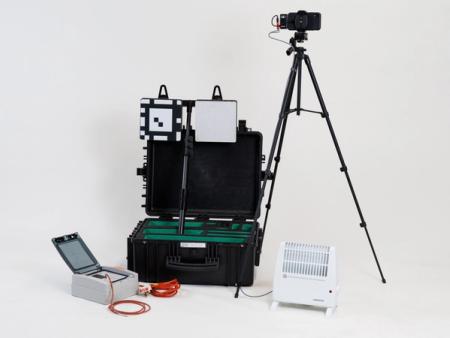
- Heat3D measures the thermal performance of walls and other building elements, helping professionals identify where insulation improvements may be most beneficial.
- Pulse measures airtightness at low pressure, helping identify unwanted air leakage and assess building performance with minimal disruption.
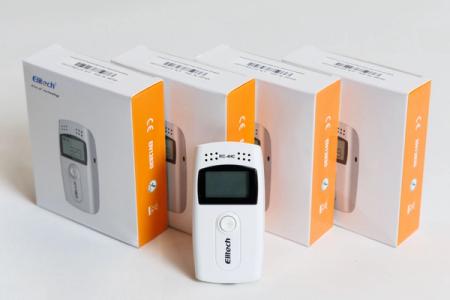
- SmartHTC measures whole-building heat loss, providing evidence to support retrofit decisions and heating system design.
Used individually or together, these tools help turn building performance from an assumption into something that can be measured, understood and improved.
Explore BTS building performance measurement solutions
Heat pumps: getting the sizing right
With the Boiler Upgrade Scheme continuing and the Warm Homes Loan Scheme creating further opportunities for installations, heat pump deployment remains an important growth area.
Installing a heat pump is only part of the story. Correct sizing is essential to achieving efficient operation, comfort and value for money. Oversizing can mean unnecessary capital expenditure, while undersizing risks leaving occupants with a heating system that struggles to meet demand.
Traditional heat loss calculations rely on assumptions about a property's construction and thermal performance. Where those assumptions differ from reality, the resulting design calculations may be inaccurate.
SmartHTC provides measured whole-building heat loss data that can help inform heat pump sizing decisions, giving designers and installers additional confidence that the system they specify is appropriate for the property.
It's a practical example of how a relatively small investment in understanding a building can support a much larger investment in its future.
From spending money to delivering results
For housing providers, retrofit contractors, assessors and homeowners, the opportunity goes beyond securing funding. It's about making sure the right improvements are installed right, first time. That means understanding performance before work begins, targeting investment appropriately and checking the results afterwards.
With billions still committed to home upgrades over the coming years, new finance options available and continued demand for lower energy bills, there is every reason to be optimistic about the opportunities ahead.
The next step is making sure every pound invested delivers the performance, comfort and savings it promises.
At Build Test Solutions, we're helping make that possible through practical, accessible building performance measurement.
Ready to make measurement part of your next project?